
Crepey Skin
Crepey Skin Treatment in Brattleby & Lincoln
What is crepey skin?
Crepey skin refers to thin, fragile, and wrinkled skin that resembles the texture of crepe paper. It often appears on areas like the neck, décolletage, arms, and sometimes the face.
Crepey skin develops when the skin loses collagen, elastin, and hydration, causing it to become lax, delicate, and textured. While a natural part of ageing, it can be improved with treatments that restore structure, elasticity, and moisture.
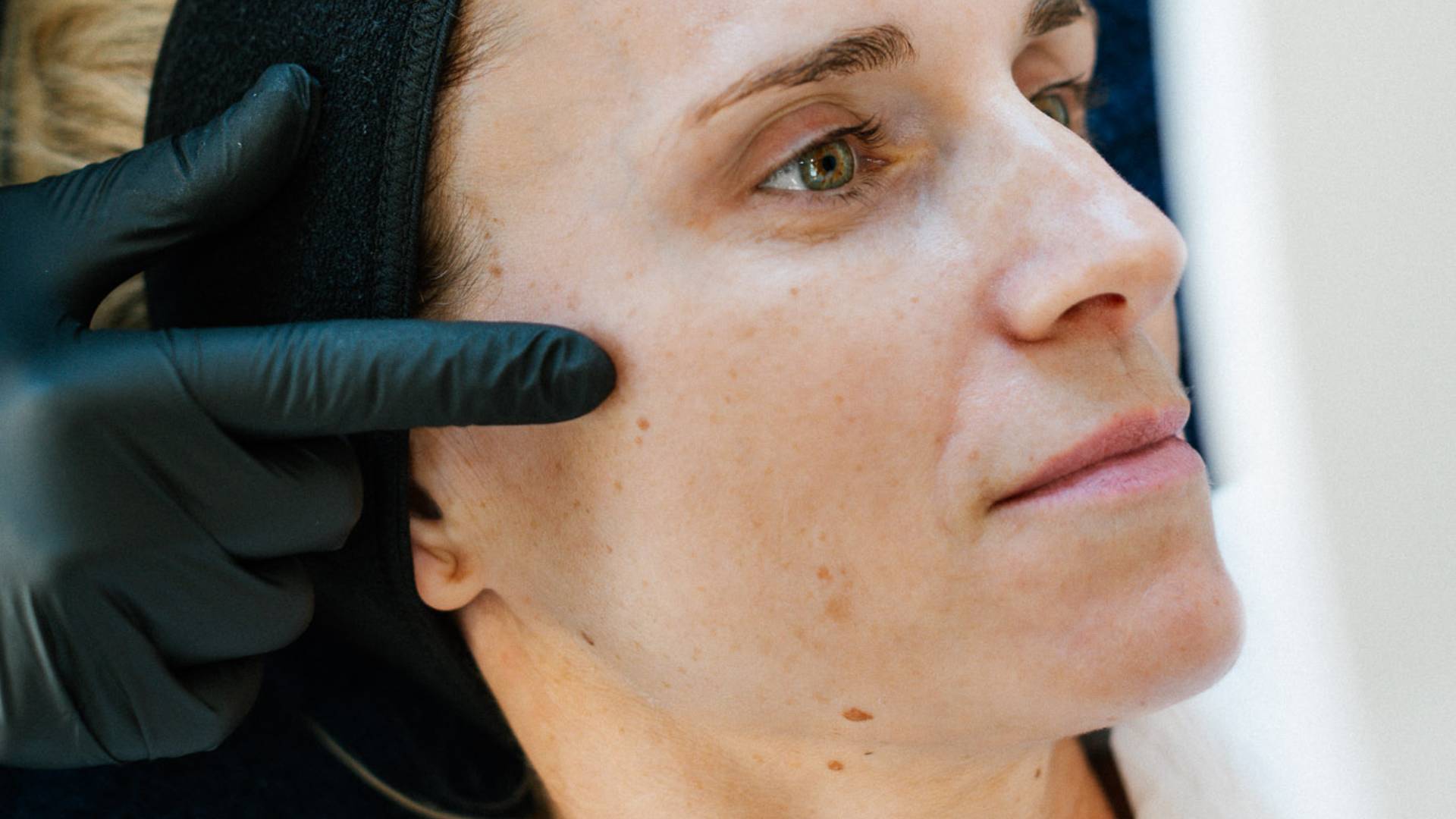
Symptoms
Signs of crepey skin include:
Thin, delicate skin with fine wrinkles
Textured or “crêpe-like” appearance
Increased vulnerability to friction or irritation
Mild sagging in affected areas
Dull or dry appearance
Loss of elasticity and firmness
Crepey skin often appears gradually and can be exacerbated by sun damage, environmental factors, or lifestyle habits.
Causes
Crepey skin develops due to a combination of factors:
- Loss of collagen and elastin with age
- Reduced hydration and skin thickness
- Sun exposure and environmental damage
- Genetics and natural skin type
- Lifestyle factors such as smoking or poor nutrition
Skin that is thin, dehydrated, or exposed to repeated sun damage is particularly prone to crepiness.
Who can it affect?
Crepey skin can affect adults of all ages, though it becomes more noticeable with age and in sun-exposed areas.
It is particularly common in people who:
- Have thin or delicate skin
- Experience early signs of ageing or volume loss
- Desire smoother, firmer skin
- Want to improve skin quality, texture, and elasticity
Even subtle improvements can make skin appear softer, tighter, and more youthful.
Treatment Options
Treatment focuses on restoring skin elasticity, hydration, and collagen support. A combination of regenerative, biostimulatory, and collagen-stimulating treatments often produces the best results.
Polynucleotides
Polynucleotides support tissue regeneration and skin elasticity.
They can help:
- Strengthen thin, delicate skin
- Reduce fine wrinkles
- Improve texture and resilience
- Complement other treatments for long-lasting improvement
Profhilo
Profhilo hydrates and strengthens the skin while stimulating collagen, improving skin texture and resilience.
It can help:
- Smooth fine crepey lines
- Boost skin hydration and firmness
- Improve elasticity and texture over time
- Maintain healthy skin quality
Julaine
Julaine contains poly-L-lactic acid (PLLA) microsphere’s, which sit in the deep dermis and subcutenous layer and activate fibroblasts for supporting collagen.
It improves skin quality and hydration and is particularly helpful for:
Benefits include:
- Restoring elasticity
- Supporting skin structure in crepey areas
- Enhancing smoothness and hydration
- Complementing filler or other skin treatments
SkinPen Microneedling
SkinPen stimulates controlled collagen production to improve skin elasticity and texture.
It can help:
- Reinforce thin or lax skin
- Smooth fine wrinkles and crepiness
- Support long-term skin quality
- Complement biostimulators or fillers
Ready to Refresh Your Look?
Every face is unique. During your consultation, we’ll assess your concerns, discuss your goals, and design a bespoke treatment plan tailored to you.