
Acne
Acne Treatment in Lincoln & Brattleby
What is acne?
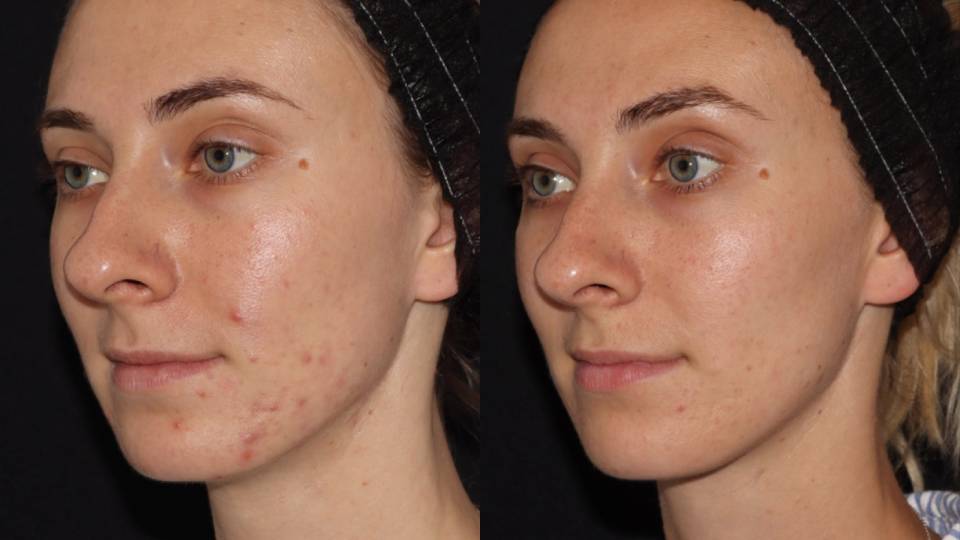
Acne is a common skin condition that occurs when hair follicles become clogged with oil, dead skin cells, and bacteria. It often leads to the formation of spots, inflammation, and in more severe cases, deeper nodules or cysts.
Acne typically affects the face, chest, back, and shoulders, though it can appear anywhere that sebaceous glands are active. It can affect teens, adults, and even those experiencing hormonal changes later in life.
While acne is often associated with adolescence, adult acne is also common and can be influenced by lifestyle, hormones, stress, and skin care routines.
Symptoms
Blackheads (open comedones)
Small, darkened plugs of sebum and dead skin in pores. The surface appears black due to oxidation, not dirt.
Whiteheads (closed comedones)
Small, flesh-colored bumps where the pore is clogged but the skin remains closed.
Papules
Small, red, inflamed bumps that are tender to the touch, caused by inflammation in clogged pores.
Pustules
Red bumps with visible pus at the tip, often inflamed and raised.
Nodules
Large, hard, painful lumps beneath the skin, resulting from deep inflammation.
Cysts
Deep, soft, pus-filled lesions that can cause scarring if untreated.
Causes
Acne develops when multiple factors converge:
- Excess sebum production
- Blocked hair follicles and pores
- Bacterial overgrowth (Cutibacterium acnes)
- Hormonal fluctuations
- Genetic predisposition
- Inflammation from picking or irritation
- Certain medications or skincare products
The severity of acne depends on the depth of inflammation, hormonal influence, and skin type.
Who can it affect?
Acne can affect anyone at any age, but is most common during adolescence and early adulthood. Adult acne often appears on the lower face, jawline, and neck.
It is particularly common in people who:
- Have oily or combination skin
- Experience hormonal changes (e.g., puberty, menstrual cycles, pregnancy)
- Have a family history of acne
- Are prone to stress-related breakouts
- Use skincare or cosmetic products that clog pores
Treatment Options
Acne treatment aims to reduce inflammation, clear blocked pores, regulate sebum, and prevent scarring. A combination of in-clinic procedures and medical-grade skincare often delivers the best results.
Obagi Blue Radiance Peel
Obagi Blue Radiance Peel exfoliates the skin and helps clear blocked pores while supporting skin renewal.
It can help:
- Reduce blackheads and whiteheads
- Improve dull, congested skin
- Minimise post-inflammatory marks
- Smooth surface texture
Peels are often performed in a series for best results.
Obagi Nu-Derm System
Obagi Nu-Derm System is a comprehensive medical-grade skincare program that targets acne, post-inflammatory pigmentation, and skin clarity.
It works by:
- Supporting skin cell turnover
- Reducing inflammation and pigmentation
- Strengthening skin barrier health
- Maintaining long-term skin clarity
This system is especially effective for persistent acne and maintaining results after treatment.
Ready to Refresh Your Look?
Every face is unique. During your consultation, we’ll assess your concerns, discuss your goals, and design a bespoke treatment plan tailored to you.