
Sun Damage
Sun Damage Treatment in Lincoln & Brattleby
What is sun damage?
Sun damage refers to the visible and structural changes that occur in the skin after repeated exposure to ultraviolet (UV) radiation over time. Even when sun exposure does not cause burning, ultraviolet light gradually affects the deeper layers of the skin, leading to collagen breakdown, uneven pigmentation, dryness, and premature ageing.
Much of the skin ageing seen on the face, chest, hands, and arms is directly linked to cumulative sun exposure. UV radiation accelerates the loss of collagen and elastin, weakens the skin barrier, and stimulates irregular melanin production, which can lead to pigmentation and uneven skin texture.
Sun damage often develops gradually and may not become fully visible until years after exposure.
Symptoms
Sun damage can present in several ways, including:
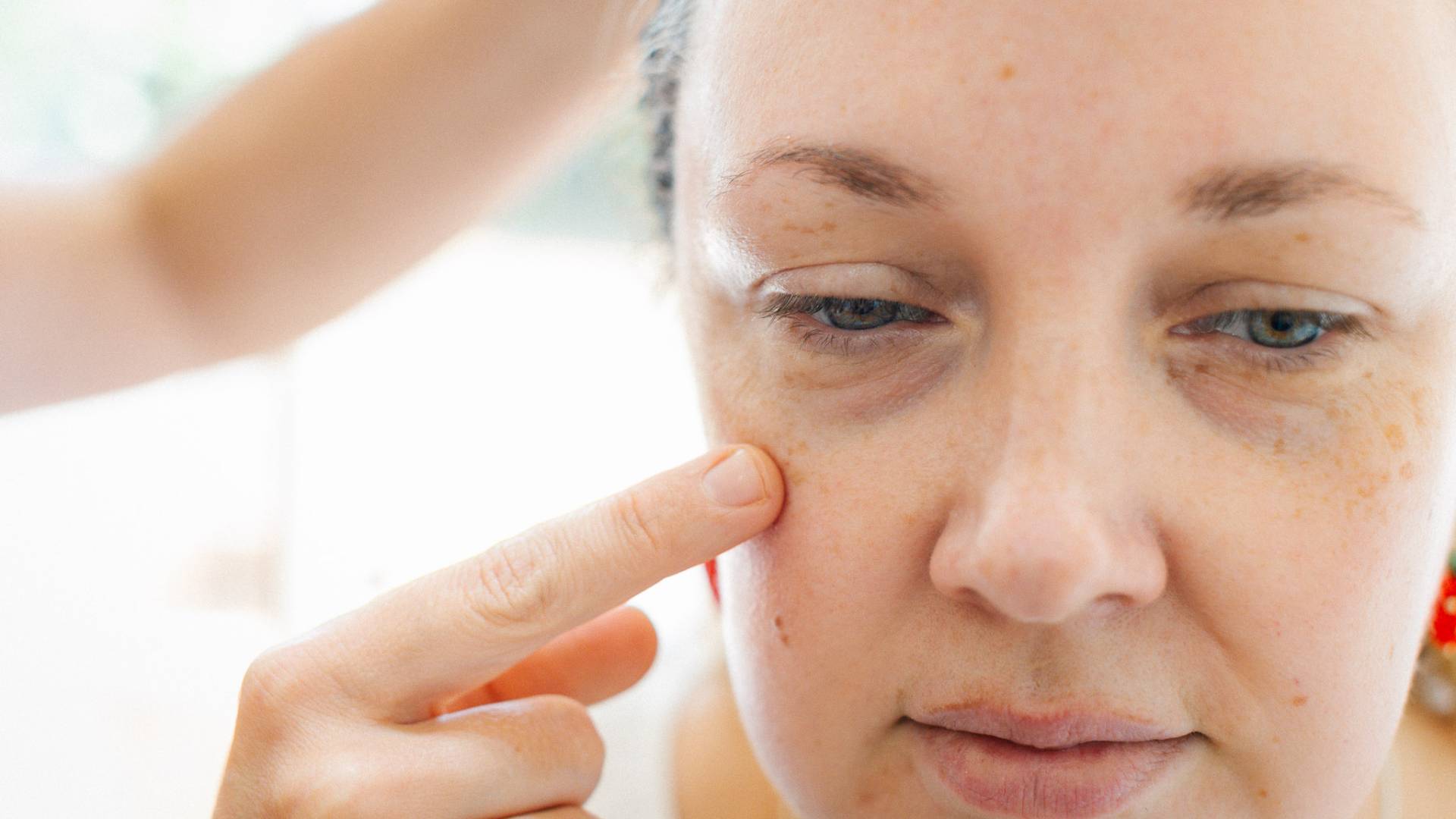
Uneven pigmentation or dark patches
Skin that appears thinner or more fragile
Fine lines and premature wrinkles
Rough or dry skin texture
Dullness and loss of radiance
Redness or uneven skin tone
Reduced skin elasticity
Age spots and sun spots
These changes are often most noticeable in areas regularly exposed to sunlight.
Causes
The main cause of sun damage is repeated ultraviolet exposure, particularly from UVA and UVB light.
UV radiation contributes to:
- Collagen and elastin breakdown
- Increased pigment production
- Oxidative stress within the skin
- Slower skin repair processes
- Barrier disruption and dehydration
Even everyday incidental exposure accumulates over time and contributes significantly to visible ageing.
Who can it affect?
Sun damage affects all skin types and all ages, although the way it appears may differ depending on skin tone and individual skin response.
It is particularly common in people who:
- Spend time outdoors regularly
- Have a history of sun exposure without protection
- Notice pigmentation or texture changes with age
- Have lighter or sun-sensitive skin
- Have accumulated years of environmental exposure
Signs may begin subtly in the thirties and become more pronounced over time.
Treatment Options
Treatment focuses on improving skin renewal, correcting visible damage, restoring skin quality, and stimulating repair within the deeper layers of the skin.
A combination approach often gives the most natural and effective result.
SkinPen Microneedling
SkinPen stimulates controlled collagen production and supports skin regeneration.
It can help:
- Improve rough texture
- Refine pigmentation
- Smooth fine lines
- Encourage healthier skin renewal
A treatment course is often recommended for cumulative improvement.
Obagi Nu-Derm System
Obagi Nu-Derm System is designed to improve skin tone, reduce visible sun-related pigmentation, and accelerate skin turnover.
It works by:
- Supporting controlled exfoliation
- Improving clarity
- Reducing uneven pigmentation
- Strengthening long-term skin health
This system is highly effective for ongoing sun-damaged skin management.
Obagi Blue Radiance Peel
Obagi Blue Radiance Peel exfoliates the skin surface to improve clarity and smoothness.
It helps with:
- Dull sun-damaged skin
- Surface pigmentation
- Rough texture
- Brightening the complexion
Regular treatments can help maintain skin renewal.
Polynucleotides
Polynucleotides support cellular repair and skin regeneration, making them particularly useful where sun exposure has weakened skin quality.
They help:
- Improve skin resilience
- Support collagen repair
- Strengthen thin or fragile skin
- Improve elasticity over time
Results develop gradually as regeneration occurs.
Julaine
Julaine contains poly-L-lactic acid (PLLA) microsphere’s, which sit in the deep dermis and subcutenous layer and activate fibroblasts for supporting collagen.
It improves skin quality and hydration and is particularly helpful for:
- Fine lines and wrinkling
- Thin skin
- Early crepey texture
- Dry ageing skin
HArmonyCa
HArmonyCa combines structural support with collagen stimulation, helping improve deeper sun-related skin changes.
It is particularly effective when sun damage is combined with:
- Early laxity
- Skin thinning
- Loss of firmness
- Lower facial ageing
Results improve progressively as collagen develops.
Ready to Refresh Your Look?
Every face is unique. During your consultation, we’ll assess your concerns, discuss your goals, and design a bespoke treatment plan tailored to you.